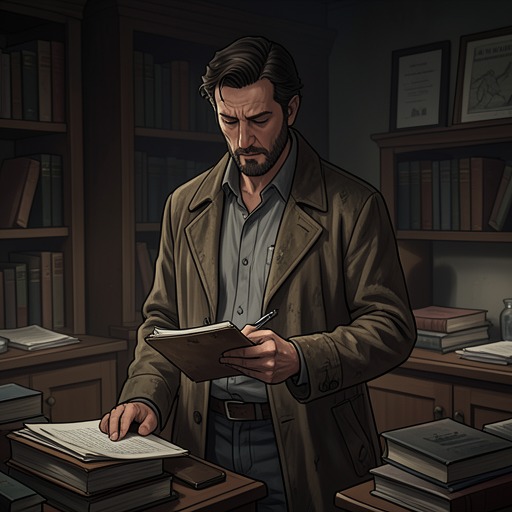
Martin Eden's typewriter
Martin EdenMartin Eden's typewriter is the rented machine through which Martin Eden pursues writing, but it is also a debt that repeatedly threatens his ability to continue. Its place in his life is defined by this double role: indispensable to his work, it remains subject to an agency's payment demands and the risk of repossession.
Rental and Financial Pressure
When Martin's finances reached a desperate point, he was two months behind on the typewriter and the agency was demanding payment or the machine's return. In the same period he took the Railway Mail civil service examination, passed first, and faced the prospect of giving up writing for paid work. His account of the debts included eight dollars for two months of typewriter rent, with a further four dollars due in advance. The machine's cost was not incidental: it stood among the obligations pressing him toward surrender.
The pressure continued even as Martin made occasional sales. After selling jokes and humorous poems, he still had to pawn his bicycle and suit, while the typewriter agency again insisted on payment and reminded him that rent was due strictly in advance. Those other possessions could be pawned to meet immediate needs; the machine instead remained an ongoing charge, with the possibility of its return hanging over his work.
Instrument of Work
Martin continued to write at extraordinary length. He spent nineteen hours a day working and rewriting earlier pieces, and his output included machine-made storiettes that he disliked but that sold well enough to help redeem his pledges and pay most of his bills. The typewriter thus served both his ambitious literary effort and the commercial writing he regarded as distasteful but necessary.
That practical usefulness did not free the machine from its financial terms. Small earnings could keep Martin writing for a time, but the agency's repeated demands made the rented instrument a fragile foundation for his livelihood. The same object that enabled his work could be reclaimed if he failed to keep up with payments.
Narrative Significance
The typewriter concentrates a central tension in Martin's writing life: literary labor requires material means, and those means themselves consume money before his uncertain work can provide a stable income. It connects the hours he devotes to writing with the immediate calculations of rent, bills, and possible repossession. Rather than a simple emblem of authorship, Martin Eden's typewriter is a working tool under financial constraint—essential to his production, yet never securely his.